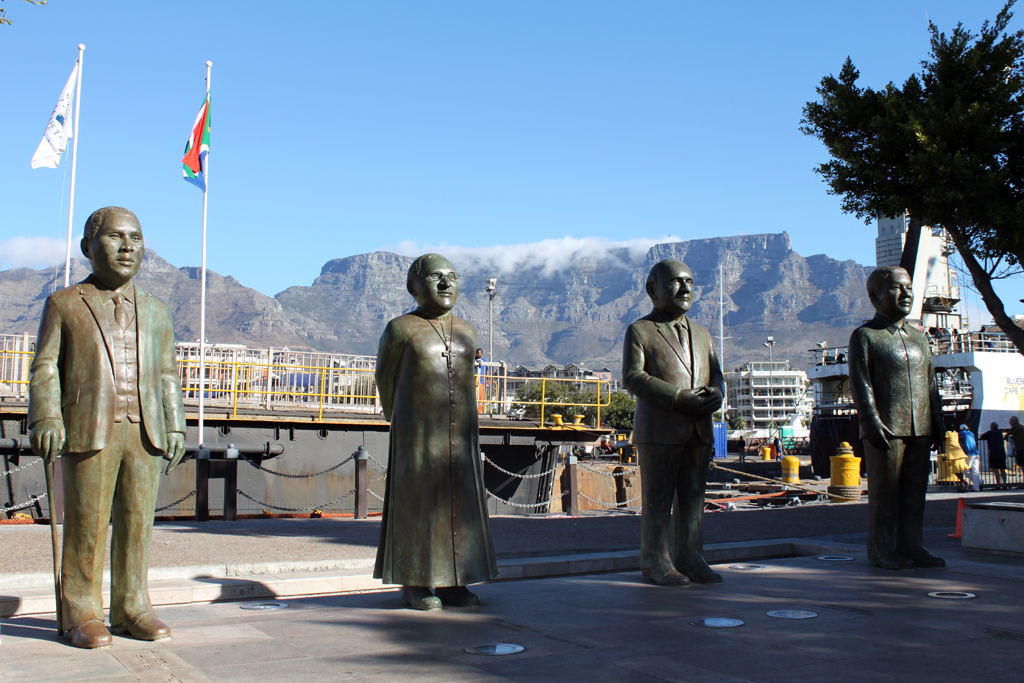
This week, I had to submit an essay on why, given sources of Nelson Mandela and Desmond Tutu’s Truth & Reconciliation Committee and Katy Hutchinson’s Restorative Practices that more empathy leads to less conflict and less empathy leads to more conflict. I submitted work in the box they wanted me to fit my brain in, but here’s what I really wanted to write on the topic:
Trigger warnings for transphobia, suicide, racism, Apartheid, murder
I have always struggled with empathy to some degree. Part of it is being neurodivergent, part of it is growing up with peers and teachers who were often less than empathetic. I’ve worked over the past two decades, including seven years in Applied Behavioral Analysis (0/10, do not recommend) and seven years in Dialectical Behavioral Therapy to develop cognitive empathy skills. I’ve become one of the most empathetic people in my friends’ lives and in my students’ lives. But it’s a nice discomfort to be reminded that there are still gaps.
When watching videos wherein Desmond Tutu said he didn’t have to teach people how to forgive because they did so automatically and Katy Hutchinson said that she wanted to give her husband’s murderer a hug, I felt completely floored, even disgusted. I have made my fair share of episodes of tearful forgiveness with ex-partners, family members, and friends, but there are people I do not forgive. I do not live in an Apartheid state. But I do live in one that seeks to villainize the queer community, and the trans community. I do live under an executive branch that is currently seeking to make being transgender and a teacher a sex crime and that is willing to call for an emergency shutdown of the federal government to do so. I learned today that one of my childhood friends, a transgender man, killed himself because he didn’t know how to live with that. And I cannot imagine being able to stomach the perpetrators of these crimes against humanity, people who I view in part as having killed my friend, long enough to do anything more than spit in their faces.
Figures like Nelson Mandela and Desmond Tutu, and to an extent even Katy Hutchinson, use(d) their work to powerfully demonstrate how empathy can lead to restorative justice in a post-conflict world. When the Apartheid state of South Africa transitioned into one with potential for representation and equal rights for all races, Mandela and Tutu leaned on grace and empathy and forgiveness to help build a better world. When Hutchinson was faced with her husband’s killer, she was able to build a working relationship with him. But I think the key fact there is that to have those engagements with people who were previously opposed – to hold amnesty sessions of thousands of individuals begging forgiveness or to face a young man who made a horrible mistake and seeks atonement – timing is everything. Many Holocaust survivors who are still alive claim that their longevity comes in part from the forgiveness they developed towards the Nazis who did them and their families harm, after the war was over. Hutchinson faced a confessor after he had already confessed. Tutu chaired the Truth and Reconciliation committee when laws were already changing and the perpetrators had already ceased their violent acts. But the harm that is being done is being done now, and the perpetrators do not care, and indeed seem to relish in it. That is not worth forgiving.
 Ari Cricks
Leave a comment